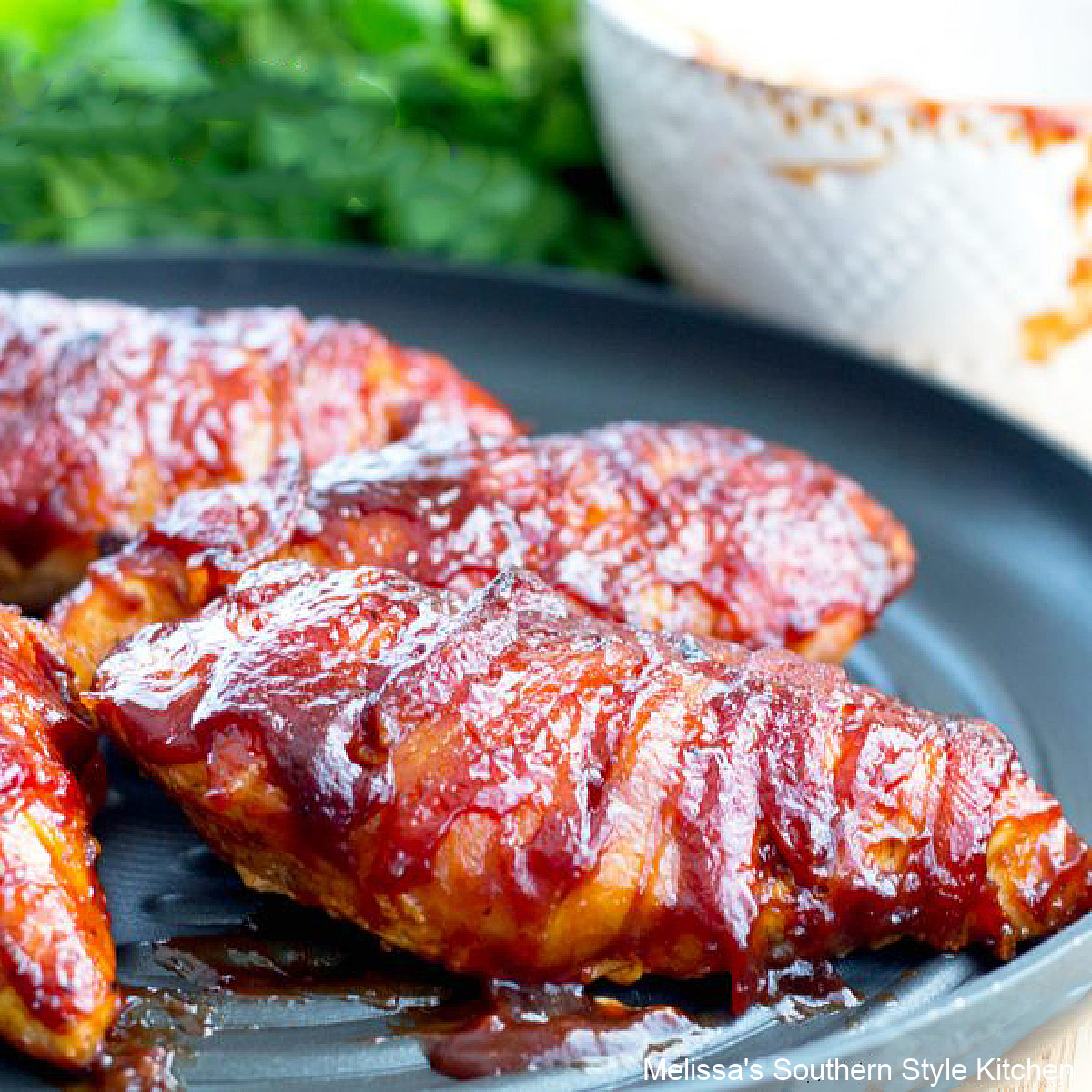
Bacon Wrapped BBQ Chicken: Grilling Secrets for Juicy Perfection
There are few phrases in the culinary world as enticing as "bacon wrapped," especially when paired with the smoky allure of "barbecued chicken." This combination isn't just a fancy trick; it's a gastronomic revelation that transforms ordinary chicken into an extraordinary feast. Imagine succulent chicken, embraced by crispy, savory bacon, all coated in a rich, tangy barbecue glaze, kissed by the searing heat of the grill. This isn't merely a meal; it's an experience designed to delight your taste buds and impress your guests. We're diving deep into the grilling secrets that ensure every piece of
bacon wrapped barbecued chicken achieves ultimate juicy perfection.
The Irresistible Allure of Bacon Wrapped Barbecued Chicken
What makes bacon wrapped barbecued chicken such a runaway hit? It's a symphony of textures and flavors that are inherently complementary. The magic begins with bacon’s double-duty performance. Firstly, as it renders its fat, the bacon acts as a natural basting agent, infusing the chicken with unparalleled moisture and flavor. This is a game-changer for chicken, especially lean cuts that can easily dry out on the grill. Secondly, the bacon provides a layer of protection, shielding the chicken from direct, harsh heat and helping it cook evenly.
Then there's the flavor profile: the inherent smokiness of the bacon harmonizes beautifully with the bold, sweet, and tangy notes of barbecue sauce. Grilling amplifies these elements, creating a caramelized crust that locks in all the goodness. It’s a classic pairing elevated to gourmet status, delivering that satisfying crunch and a burst of savory sweetness in every bite. Whether you're a seasoned grill master or just firing up the coals for the first time, this recipe is a guaranteed crowd-pleaser and a testament to the fact that some combinations are simply meant to be.
Mastering the Grill: Secrets to Juicy, Crispy Perfection
Achieving the perfect bacon wrapped barbecued chicken requires a few key techniques and a mindful approach to grilling. It’s about balance: ensuring the chicken cooks through, the bacon crisps up, and the sauce caramelizes without burning.
Choosing Your Chicken and Preparing for Success
The cut of chicken you choose can influence your grilling strategy. While boneless, skinless chicken breasts are a popular choice for their lean protein, they are prone to drying out. This is where the bacon truly shines, providing crucial moisture. Chicken thighs or leg quarters, being dark meat, are naturally more forgiving and less likely to dry out, making them an excellent option for beginners. Regardless of the cut, ensure your chicken is patted dry before seasoning.
Before wrapping, consider giving your chicken a good dry rub. A quality rub can add another layer of flavor that complements both the bacon and the BBQ sauce. Spices like paprika, garlic powder, onion powder, brown sugar, and a touch of cayenne can create a fantastic base.
When it comes to wrapping, the goal is to fully encase the chicken with bacon, securing it if necessary with toothpicks. For breasts, you might need two to three strips, spiraling them around. For thighs, a single strip might suffice, wrapping it snugly. The tighter the wrap, the better the bacon will adhere and render evenly.
Grilling Techniques: Direct Heat, Indirect Heat, and Temperature Control
This is perhaps the most critical secret to juicy, crispy bacon wrapped barbecued chicken: employing a two-zone grilling method, or indirect grilling. Direct heat directly over the coals or burners is excellent for searing, but prolonged exposure can burn the bacon before the chicken is cooked through.
Here’s how to set up and execute a two-zone grill:
- For Gas Grills: Light burners on one side to medium-high heat, leaving the other side unlit. This creates a hot zone and a cooler, indirect zone.
- For Charcoal Grills: Pile the lit coals to one side of the grill, leaving the other side empty.
The process:
- Initial Sear (Direct Heat): Start your bacon wrapped chicken over the direct heat zone for a few minutes per side. This helps to crisp the bacon quickly and develop some char marks, locking in juices. Watch carefully to prevent burning.
- Finish Cooking (Indirect Heat): Once the bacon has started to crisp and render, move the chicken to the indirect heat zone. Close the grill lid to allow the chicken to cook through gently and evenly. This prevents the bacon from burning while the interior reaches a safe temperature.
- Temperature Monitoring: The ideal internal temperature for chicken is 165°F (74°C). Use a meat thermometer inserted into the thickest part of the chicken, avoiding the bone. Cooking over indirect heat allows for greater control and reduces the risk of overcooking.
- Maintaining Crispy Bacon: If your bacon isn't as crispy as you'd like towards the end, you can briefly move the chicken back over direct heat for a minute or two, flipping frequently, but be very cautious not to burn it, especially once the sauce is applied.
This two-zone approach is the cornerstone of preventing burnt bacon and dry chicken, guaranteeing that coveted "juicy perfection."
Sauce It Up: The Art of Flavor and Food Safety
The barbecue sauce is the crowning glory of this dish, providing that irresistible sticky glaze and an explosion of flavor. But applying it correctly and safely is key.
Selecting or Crafting Your Signature BBQ Sauce
You have options when it comes to barbecue sauce. A high-quality store-bought sauce can be incredibly convenient, especially if you're in a hurry. Look for brands with good ingredients and a flavor profile you enjoy – whether you prefer sweet, tangy, smoky, or spicy.
Alternatively, making your own barbecue sauce from scratch offers unparalleled customization. While some recipes can be a bit messy (think splattering sauce volcanoes on your stovetop!), a few tricks can mitigate the chaos. For example, starting with a slightly thicker base or using a wider pot and simmering with a lid slightly ajar can prevent those notorious ceiling spatters. Many home cooks swear by making a big batch of their favorite homemade sauce and freezing it in small portions. This way, you always have a ready supply of delicious, mess-free sauce on hand for future grilling adventures. Consider exploring different flavor combinations, perhaps a bourbon-infused sauce, a sweet peach glaze, or a fiery habanero kick.
The Strategic Application of Sauce (and Why Food Safety Matters)
When it's time to apply the barbecue sauce, timing and food safety are paramount. Applying the sauce too early can lead to it burning on the grill due to its sugar content.
Mastering Bacon Wrapped Chicken: Grilling & BBQ Sauce Tips really hinges on careful sauce application.
Here’s a safe and effective method:
- First Coat (Mid-Cook): Once the chicken has cooked for about two-thirds of the estimated time (and is primarily on the indirect heat zone), it's time for the first coat. Spread sauce generously over one side of the chicken.
- The Two-Spoon Method (Cross-Contamination Prevention): This is a crucial food safety tip. Use one clean spoon to scoop barbecue sauce from your main bowl into a separate, smaller bowl. Use a second, clean spoon (or a silicone brush if you have one handy) to spread the sauce onto the raw or partially cooked chicken. This ensures your main sauce supply remains uncontaminated. Never dip a utensil that has touched raw chicken back into your main sauce container.
- Second Coat (Flip and Sauce): Carefully flip the chicken to coat the other side. Use a fresh, clean spoon or brush for this second application, ensuring you don't use the same utensil that touched the first, raw-sided application. You can even add a dollop of sauce to the center and spread it for an even, glistening coat.
- Final Touches: Continue cooking on indirect heat for another 5-10 minutes, allowing the sauce to caramelize and become sticky. Monitor closely to prevent burning. The internal temperature of the chicken should still reach 165°F (74°C).
This meticulous approach prevents cross-contamination, ensuring your delicious
bacon wrapped barbecued chicken is not only flavorful but also safe to eat.
Beyond the Grill: Serving Suggestions and Variations
While
bacon wrapped barbecued chicken is a star in its own right, it pairs beautifully with a variety of sides. A crisp Caesar salad, as one enthusiast discovered, makes for a surprisingly delightful contrast to the rich flavors. Other classic barbecue accompaniments like creamy coleslaw, baked beans, corn on the cob, or a light potato salad are also excellent choices.
For variations, consider stuffing the chicken with cheese, jalapeños, or herbs before wrapping it in bacon. You can also experiment with different dry rubs and barbecue sauce flavors to create endless possibilities. The core principle—chicken, bacon, and BBQ sauce—remains a winning formula, offering versatility and guaranteed satisfaction.
In conclusion, grilling the perfect bacon wrapped barbecued chicken is an art, but it's an accessible one. By understanding the role of bacon in keeping chicken moist, utilizing two-zone grilling for optimal cooking, and meticulously applying barbecue sauce with food safety in mind, you unlock the secrets to truly juicy, crispy perfection. This isn't just a recipe; it's an invitation to elevate your grilling game and enjoy a dish that consistently delivers on flavor, texture, and pure, unadulterated deliciousness. So fire up that grill, embrace these techniques, and prepare for a truly spectacular meal that will have everyone reaching for extra napkins!